
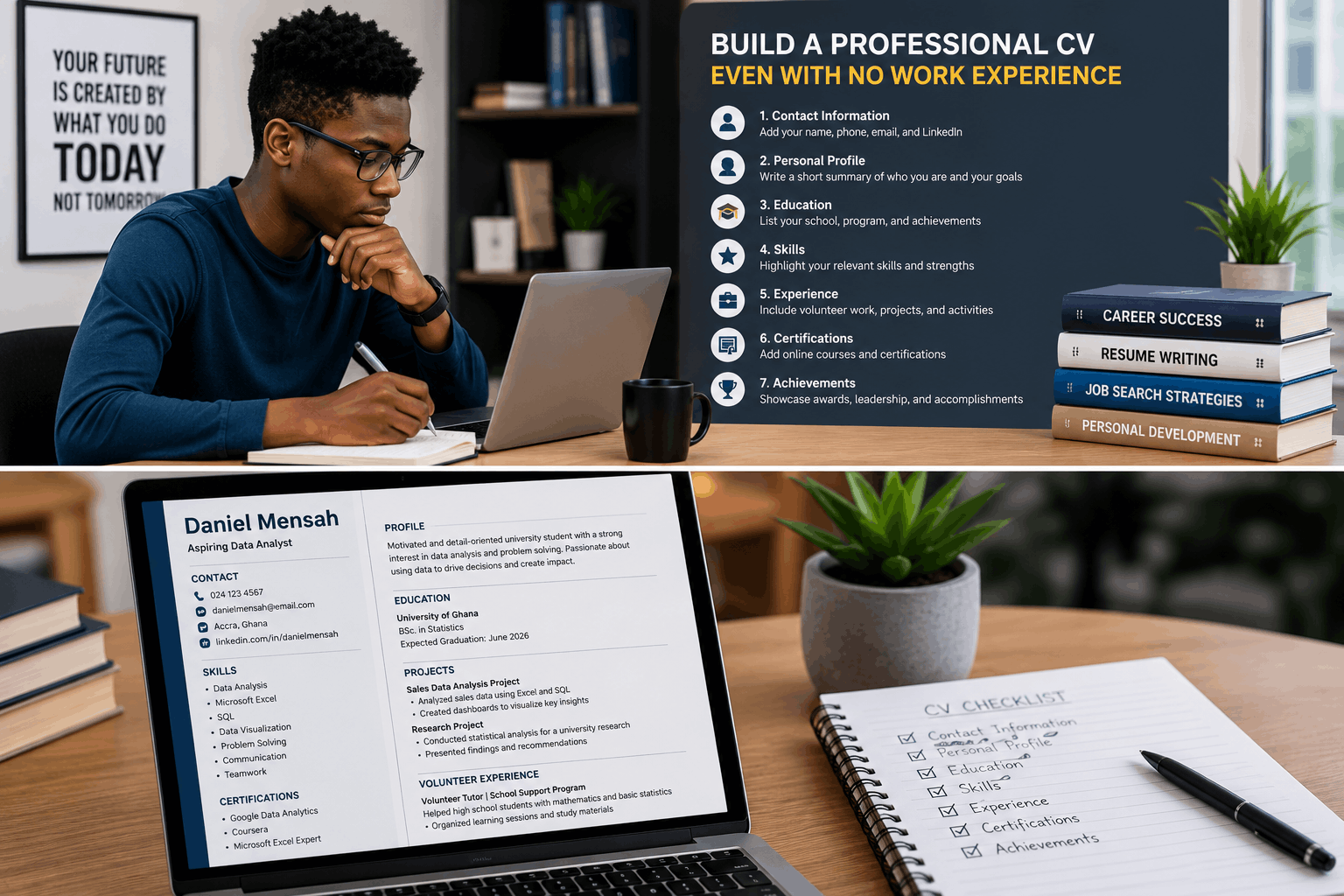

A prevalent concern among students applying for jobs, volunteer positions, internships, and scholarships is: “How can I create a CV if I have no prior work experience? Employers and scholarship committees do not anticipate students to possess five or six years of experience. The public seeks evidence of potential abilities, achievements, and their applicability to professional roles. Proficient writing can be advantageous in the absence of substantial work experience.
What Is A CV?
This Curriculum Vitae (CV) provides an overview of your education, training, accomplishments, experiences, and abilities. It provides employers, recruiters, scholarship givers, and others with a summary of your qualifications. One of the first professional papers that students think of is their resume.
Many School CVs Are Missed: Why
Students often make common mistakes like:
- Inviting unnecessary personal data.
- Using poor formatting.
- Leaving sections incomplete.
- Focusing on what they do not need rather than what they can.
- Posting generic CVs for each opportunity.
CV should be about displaying your strengths and not your weaknesses.
A Professional Header Will Set the Tone
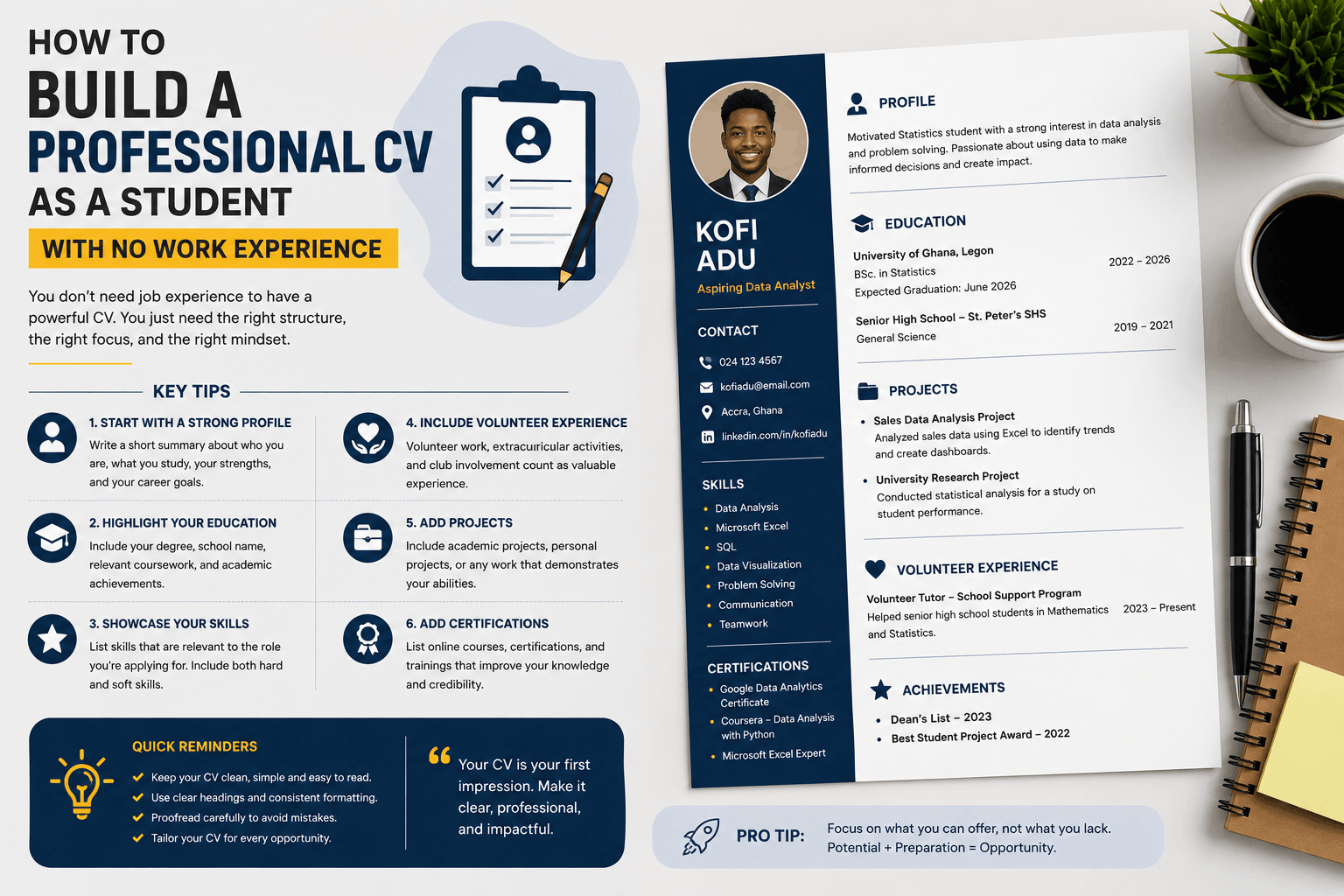
Please remember that your CV should be, top to right:
- Full name.
- Phone number.
- Professional email address.
- LinkedIn profile (if any).
- Place (city and country).
Make it simple for recruiters to reach out.
Write a Strong Personal Profile
A profile summary ought to give a brief overview of them:
- Who you are.
- What you are studying.
- Your key strengths.
- Your career interests.
Example: “A college student who is quite motivated and interested in digital marketing and creating content. Passionate about learning new skills, trying new things to solve problems, adding value to meaningful jobs and giving to cause.” Make this section impactful and to the point.
Focus on Your Education
Education will be the most powerful piece for many students. Include:
- Institution name.
- Program of study.
- Expected graduation date.
- Academic achievements.
- Applicable learning you have.
- Coursework relevant to relevant disciplines if relevant.
Your degree shows that you are dedicated and disciplined.
Showcase Transferable Skills
And yes, you lack work experience, but you already have transferable skills to call your own. Examples include:
- Communication.
- Teamwork.
- Leadership.
- Problem-solving.
- Time management.
- Research skills.
- Computer literacy.
There are certain areas — like school projects and extracurricular activities — where they develop these skills.
Include Volunteer Experience
There are benefits to volunteering, much as paid work. Examples include:
- Community Service Projects.
- School clubs.
- Religious organizations.
- Youth groups.
- Non-profit activities.
Volunteer experience displays responsibility and initiative.
Showcase Academic Projects
Many students forget about academic assignments. Nevertheless, projects may demonstrate real-world abilities. Include:
- Research projects.
- Group assignments.
- Digital projects.
- Presentations.
- Case studies.
Concentrate on what you did and what you learned.
Add Certifications
Online Certifications: Can definitely boost your CV. Popular options include:
- Google Digital Garage.
- HubSpot Academy.
- Coursera.
- LinkedIn Learning.
- Microsoft Learn.
Certifications demonstrate an effort to keep learning.
Make Sure the Design Is Clean and Professional
The CV should be easy to read. Use:
- Clear headings.
- Consistent fonts.
- Simple formatting.
- Proper spacing.
Do not use too many colors, graphics, or complicated designs. Professionalism always wins.
Common CV Mistakes to Avoid
- Spelling errors.
- False information.
- Unprofessional email addresses.
- Long paragraphs.
- Irrelevant information.
To be sure always make sure you always proofread before sending.
Keep in Mind: Everyone Begins Somewhere
A lot of successful professionals had zero work experience. What made the difference was their willingness to learn, grow and be professional. Your first CV does not have to be flawless. That’s just your self-promotion opportunity needs to get across.
Quick Summary
To construct a college CV:
- Create a clear header.
- Prepare a good personal profile.
- Highlight your education.
- Showcase transferable skills.
- Include volunteer experience.
- Add academic projects.
- List certifications.
- Maintain professional style in design.
Even if they have never had a job before, a strong CV can help students get internships, scholarships, volunteer opportunities, and entry-level positions.